Braces in Seoul that correct the position of your teeth and jaws
for a better smile and a healthier bite.
From crowding to underbite and facial asymmetry,
we realign your teeth for a balanced smile line.
Orthodontics
Braces in Seoul & Surgery-First Orthodontics
What are braces and orthodontics?
Orthodontics uses braces and other orthodontic appliances to correct misaligned teeth, jaw position and bite problems. Adjusting where your teeth and jaws sit stabilizes your bite and how your teeth work, and correcting jaw length and position helps bring your jaw and facial muscles into balance. The goal: an attractive smile line and a mouth that functions well.
Treatment types Surgery-first orthodontics, underbite correction, facial asymmetry correction, protrusion correction, partial braces, lingual (behind-the-teeth) braces and more
Treatment at a glance
What is surgery-first orthodontics?
Surgery first, braces after
Surgery-first orthodontics flips the traditional "braces, then surgery" order: jaw surgery comes first, and orthodontic treatment follows. Because the skeletal imbalance is corrected at the start, your facial appearance changes early — you see the difference sooner instead of waiting through months of pre-surgical braces.
The core goal is to fine-tune the new position of your jaws and teeth after surgery so your bite is stable and functions well. Compared with the traditional braces-then-surgery approach, it can shorten overall treatment time.
Pre-surgery analysis
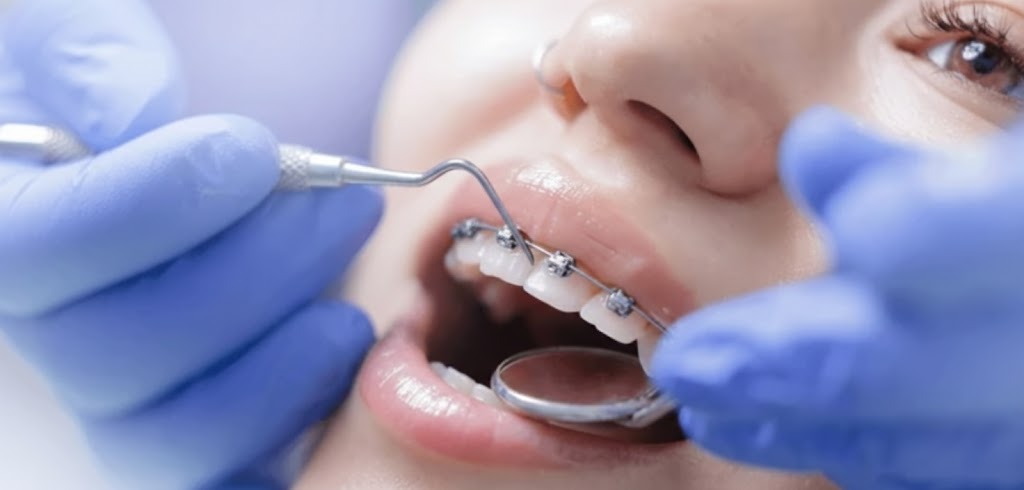
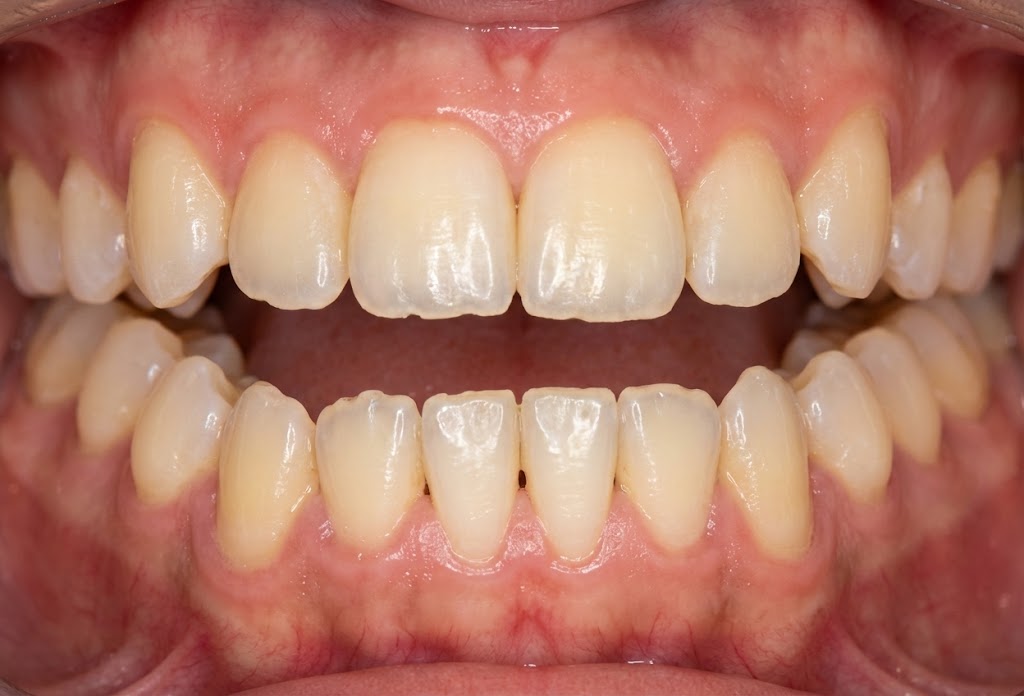
A 3D CT scan and intraoral scan map your jaw and teeth in detail. We assess your facial shape and bite together to build a surgical plan tailored to you.
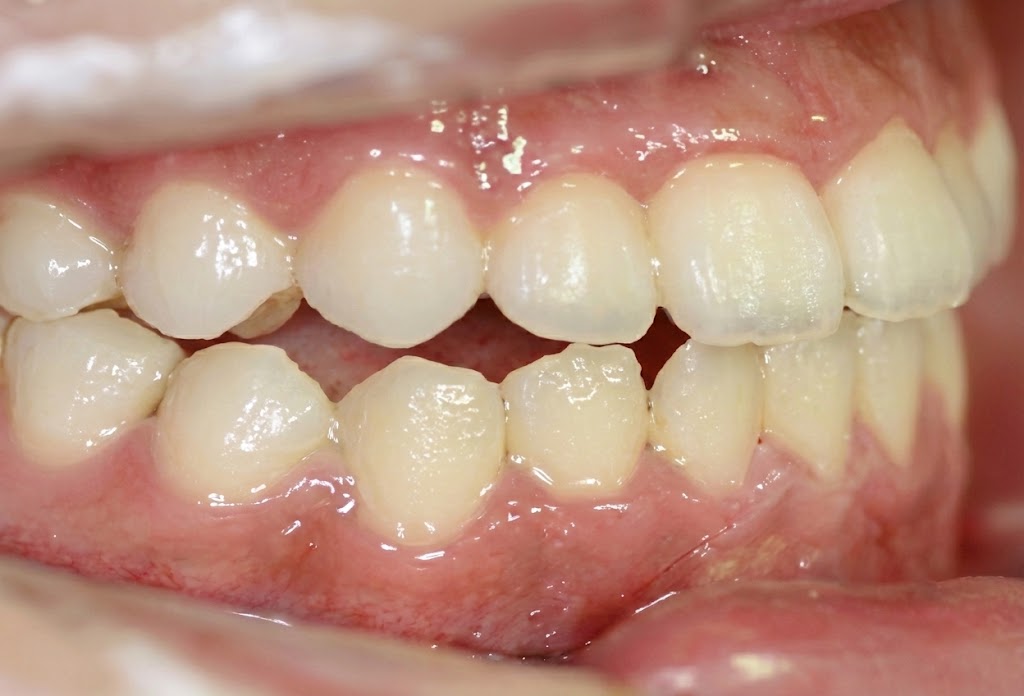
Right after surgery
The skeletal imbalance is corrected, laying the foundation for aesthetic change. With the jaws moved into a normal position, the change in your appearance shows early.
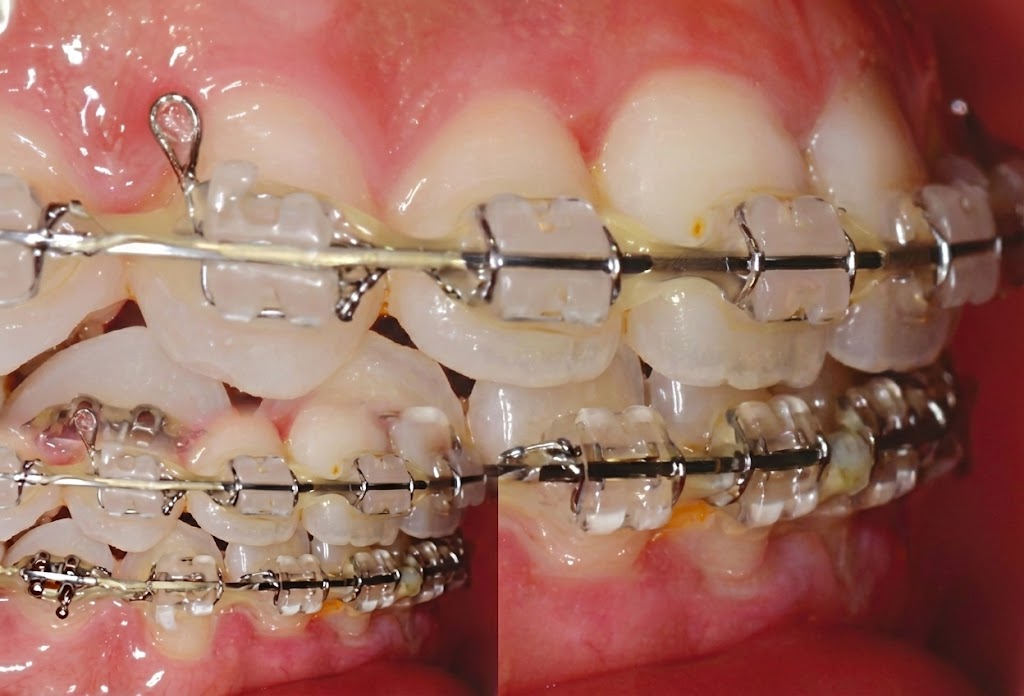
Braces after surgery
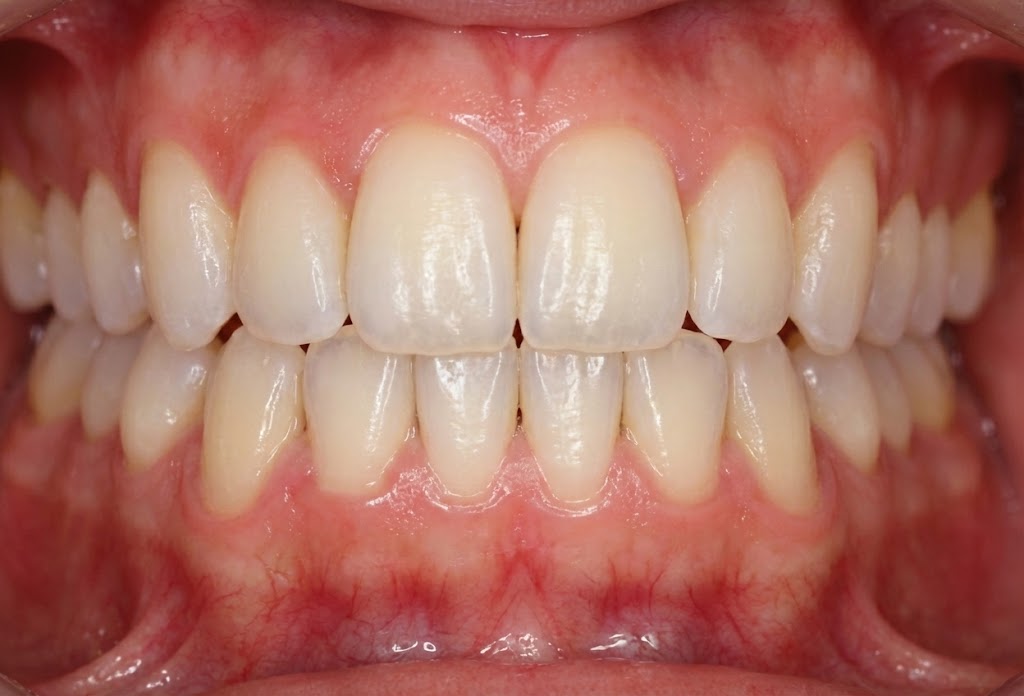
Your bite is fine-tuned to match the new jaw position. Braces guide each tooth into place to create a stable bite.
Treatment complete
The final stage delivers a stable bite and a balanced smile line. Retainers help keep your results in place for the long term.
Why choose SMILEVIEW for orthodontics
Earlier visible change
With surgery done first, your appearance improves early. As your jaw structure is corrected, you can enjoy the aesthetic change sooner.
A bite that works
We restore proper chewing and jaw-joint balance, supporting your overall oral health with a stable bite.
Collaborative orthodontic care
Careful analysis starts at the surgical-planning stage, so we work closely with orthodontic specialists to plan the right result for you.
Structured aftercare
Retainer care and regular checkups help keep your results stable over the long term.
Orthodontics with double jaw surgery
Double jaw surgery (orthognathic surgery) corrects skeletal and dental misalignment of the upper and lower jaws, aiming for balanced facial structure and a normal bite. Select a treatment type below to learn more. Individual results vary.
When the lower jaw sits forward
Underbite correction
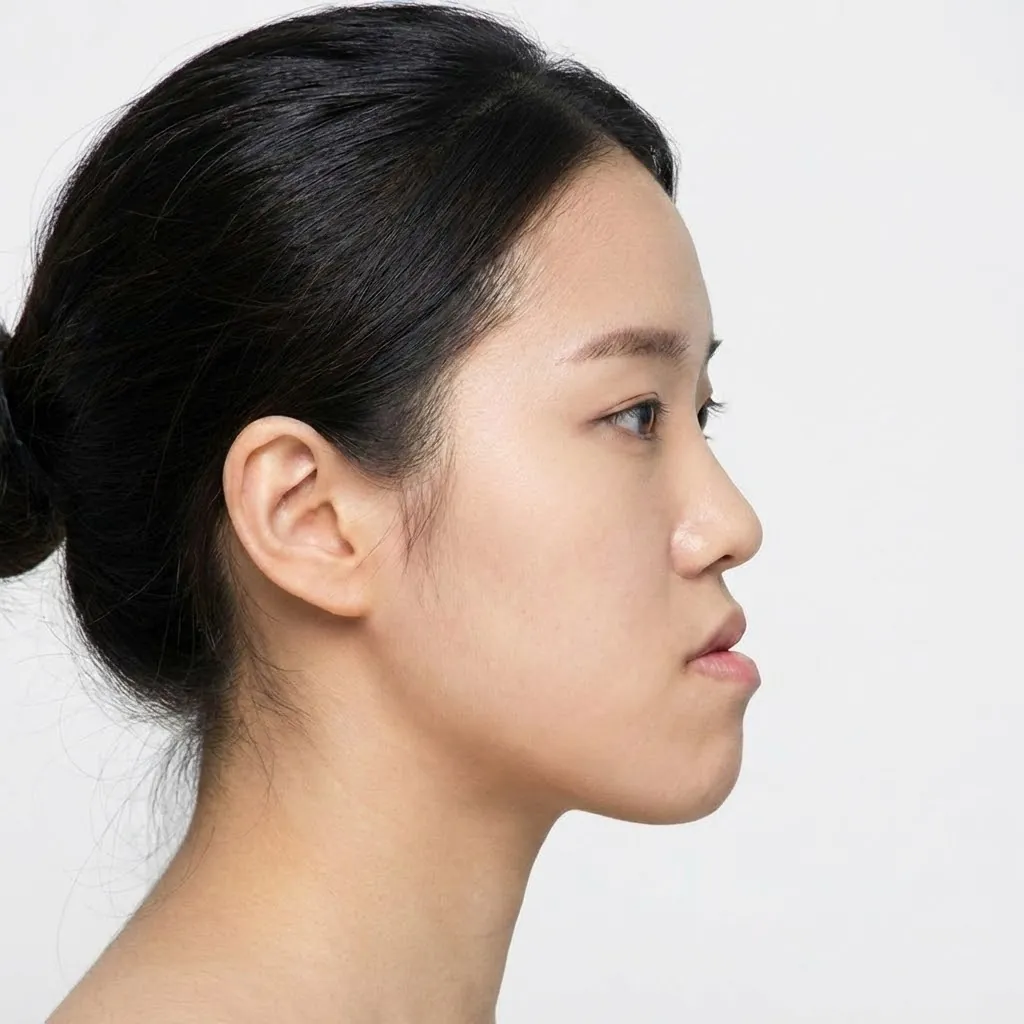
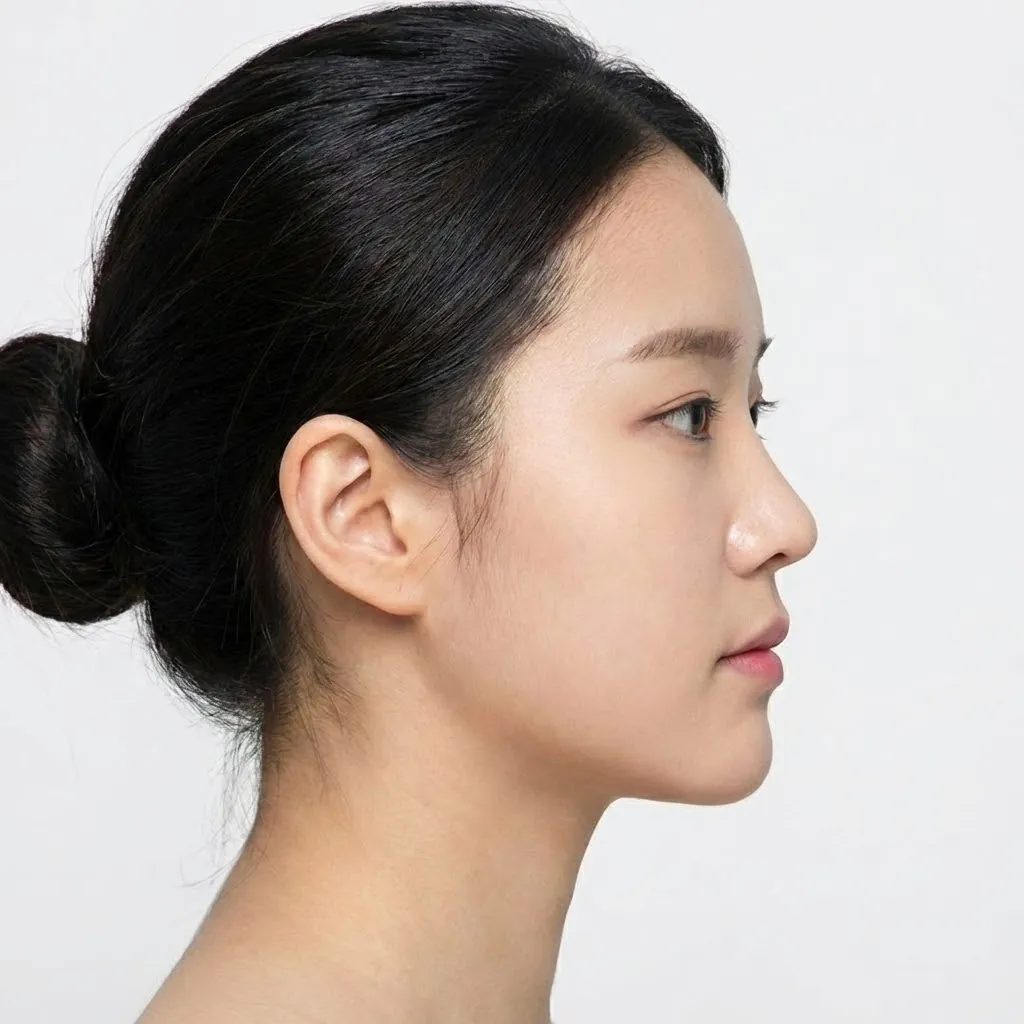
For a lower jaw that protrudes because it grew too much, or the upper jaw grew too little. Correcting the skeletal imbalance restores facial balance and a normal bite.
See underbite correction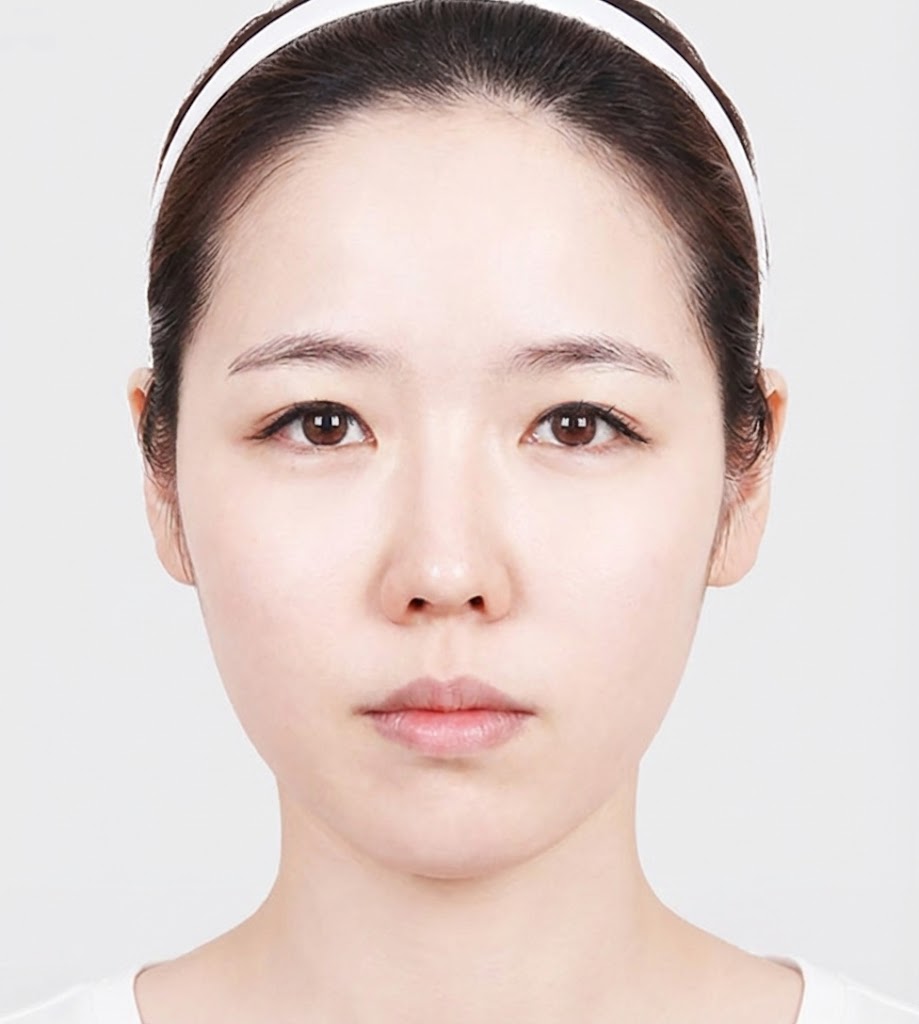

Restoring left–right balance
Facial asymmetry correction
For faces where vertical proportions or left–right symmetry are out of balance. Correcting jaw asymmetry creates a balanced facial line and a stable bite.
See facial asymmetry correction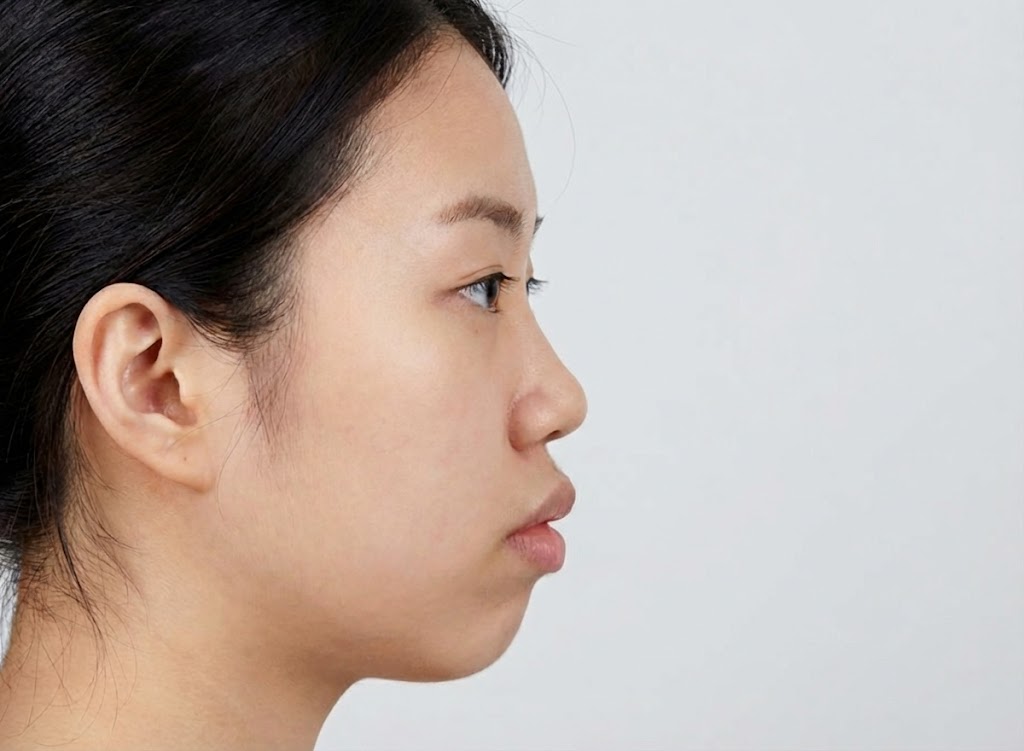
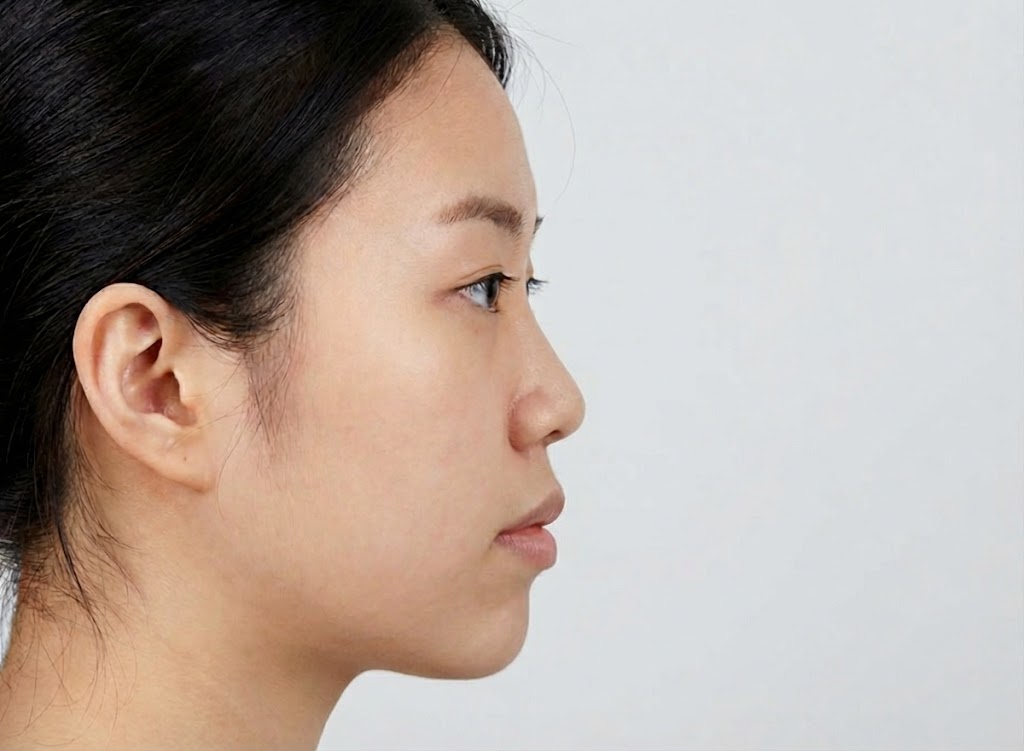
For a natural side profile
Protrusion correction
For a mouth that sits forward relative to the tip of the nose and chin. Treatment improves your E-line and restores a natural lip line.
See protrusion correctionUnderbite correction
Treatment for a lower jaw that sits forward, either because it grew too much or because the upper jaw grew too little. Correcting the skeletal imbalance restores facial balance and a normal bite.
When the lower jaw sits forward
Rebalancing your face
An underbite (mandibular prognathism) means the lower jaw sits in front of the upper jaw. From the side the chin looks prominent; from the front the face can look long. Beyond making chewing harder, it can come with speech problems and jaw-joint (TMJ) disorders, so active treatment is recommended.
Who it’s for
Your lower jaw sits in front of your upper jaw
Your face looks noticeably long
Your upper and lower teeth bite in reverse, making chewing less efficient
Facial asymmetry correction
Treatment for faces where vertical proportions or left–right symmetry are out of balance. Correcting jaw asymmetry achieves a balanced facial line and a stable bite at the same time.
Restoring left–right balance
Facial symmetry correction
Facial asymmetry means the left and right sides of the upper or lower jaw differ in length, or the jaw is shifted to one side so the facial midline is off-center. Beyond appearance, it can bring functional problems such as chewing on one side, jaw-joint pain and mismatched dental midlines.
Who it’s for
The left and right sides of your upper jaw differ in length
Your lower jaw is not symmetrical
The midlines of your upper and lower teeth are noticeably misaligned
Protrusion correction
Treatment for a mouth that sits forward relative to the tip of the nose and chin in profile. It improves your E-line and restores a natural lip line.
For a natural side profile
Correcting protrusion
With protrusion, the teeth or the bone that holds them (alveolar bone) push forward, so the mouth looks pushed out. It can make closing your lips difficult or leave your mouth open without you noticing. It often comes with a long face, facial asymmetry or a gummy smile, so we use a precise diagnosis to choose the right orthodontic approach for you.
Who it’s for
Protrusion with a long face
Protrusion with facial asymmetry
Protrusion with a gummy smile
Braces cost in Seoul
Every bite is different, so orthodontic treatment is priced to your case. After your exam and scans, you get a clear, itemized quote before anything starts.
Exam + X-ray
Your first visit: an orthodontic exam and X-rays to see where your teeth and jaws sit today.
₩30,000
Full braces
Comprehensive treatment for crowding and bite problems, generally 12–24 months.
Personal quote after your scan
Surgery-first orthodontics
Braces planned around jaw surgery for underbite, protrusion or facial asymmetry, starting with a 3D CT and intraoral scan.
Personal quote after your scan
Partial braces
Treatment focused on a few teeth, generally about 3–6 months.
Personal quote after your scan
Lingual braces
Braces bonded to the back of your teeth, so they stay out of sight when you smile.
Personal quote after your scan
All prices are in Korean won (KRW). Orthodontic treatment is not subject to VAT. Your final quote is confirmed after an in-person exam.
Planning braces in Seoul from abroad
Braces are a long-term commitment with regular visits. Here is what to expect, so you can decide whether treatment in Seoul fits your plans.
1. Send photos on WhatsApp
Share smile and side-profile photos and tell us what bothers you. We'll talk through possible directions and what your first visit involves. We reply in English on WhatsApp. If you’d like an interpreter at your appointment, just let us know.
2. First visit: about 1–2 hours
An exam and X-rays, plus a 3D CT and intraoral scan when surgery-first treatment is on the table. We look at your smile goals and current teeth first, then recommend a treatment direction.
Adjustments every 3–4 weeks
Full braces generally take 12–24 months, partial braces about 3–6 months, with check-ins every 3–4 weeks. Braces suit Seoul residents and expats, or patients who can return regularly. Traveling? Ask us whether a schedule can work for you.
1 minute from Sinnonhyeon Station
15F, 107 Bongeunsa-ro, Gangnam-gu, Seoul — a 1-minute walk from Exit 3 (Line 9 / Sinbundang Line). Closed Thursdays, Sundays and Korean public holidays.